Microservices vs Monolith on AWS: Architecture Decision Guide
July 2026 decision guide: monolith → modular monolith → microservices on AWS — team size, platform tax (VPC Lattice/mesh), and a checklist before you split for the org chart.
Tagged

July 2026 decision guide: monolith → modular monolith → microservices on AWS — team size, platform tax (VPC Lattice/mesh), and a checklist before you split for the org chart.

Three API types, three pricing models, three authentication patterns — and the wrong choice baked into your URL design for years. A decision guide for picking REST vs HTTP vs WebSocket APIs, with the throttling and caching configs that decide your monthly bill.

Redis is fast — until your application retries on every cache miss and the Redis bill starts looking like the database bill. ElastiCache patterns, data structures, cluster modes, eviction policies, and the production patterns that actually reduce database load.

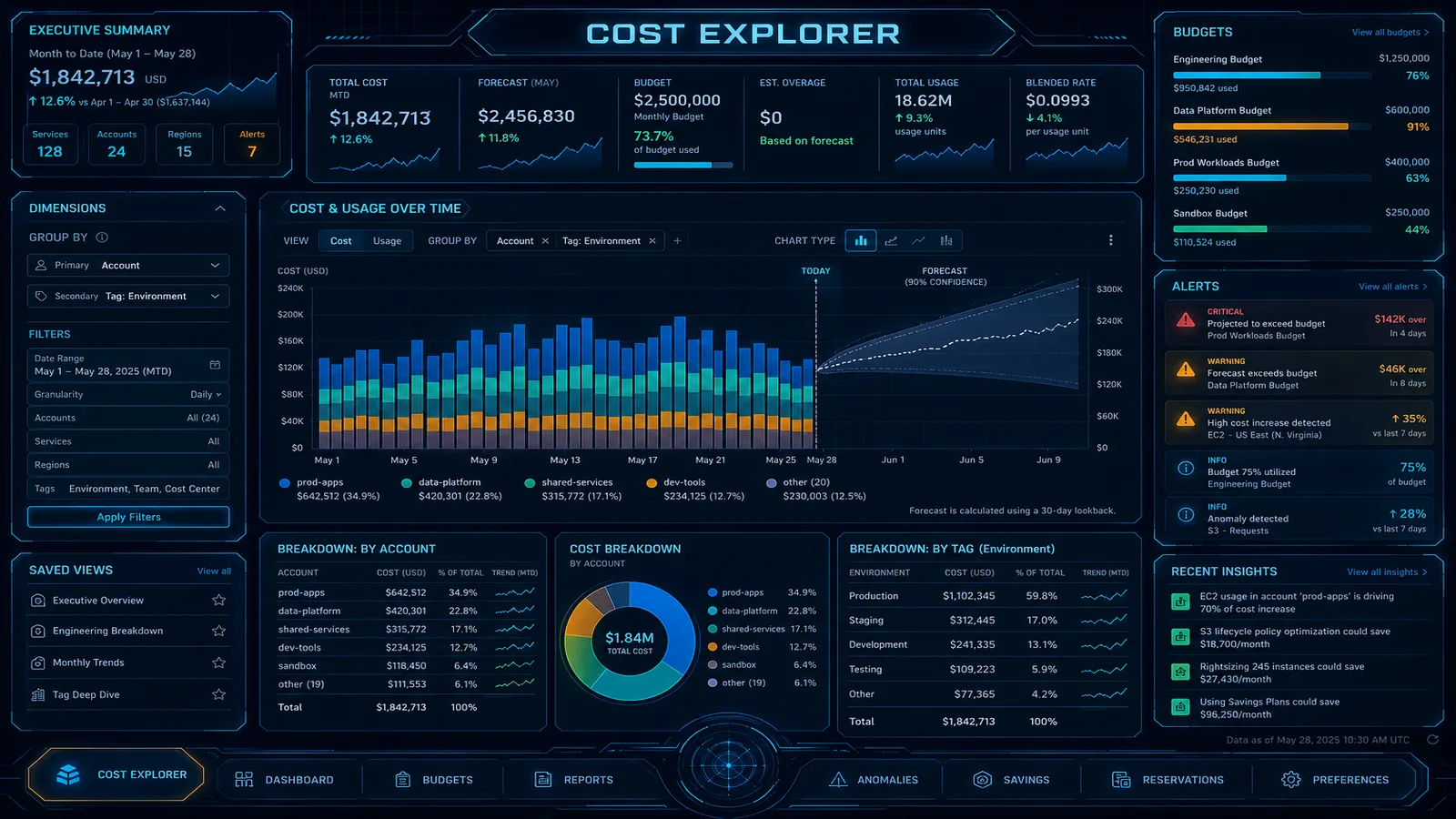
Surprise AWS bills usually come from one of a handful of sources. Cost Explorer patterns, budget alerts, anomaly detection, and the tagging discipline that turns "who owns this $4,000 spike" into a 30-second answer instead of a week-long Slack thread.

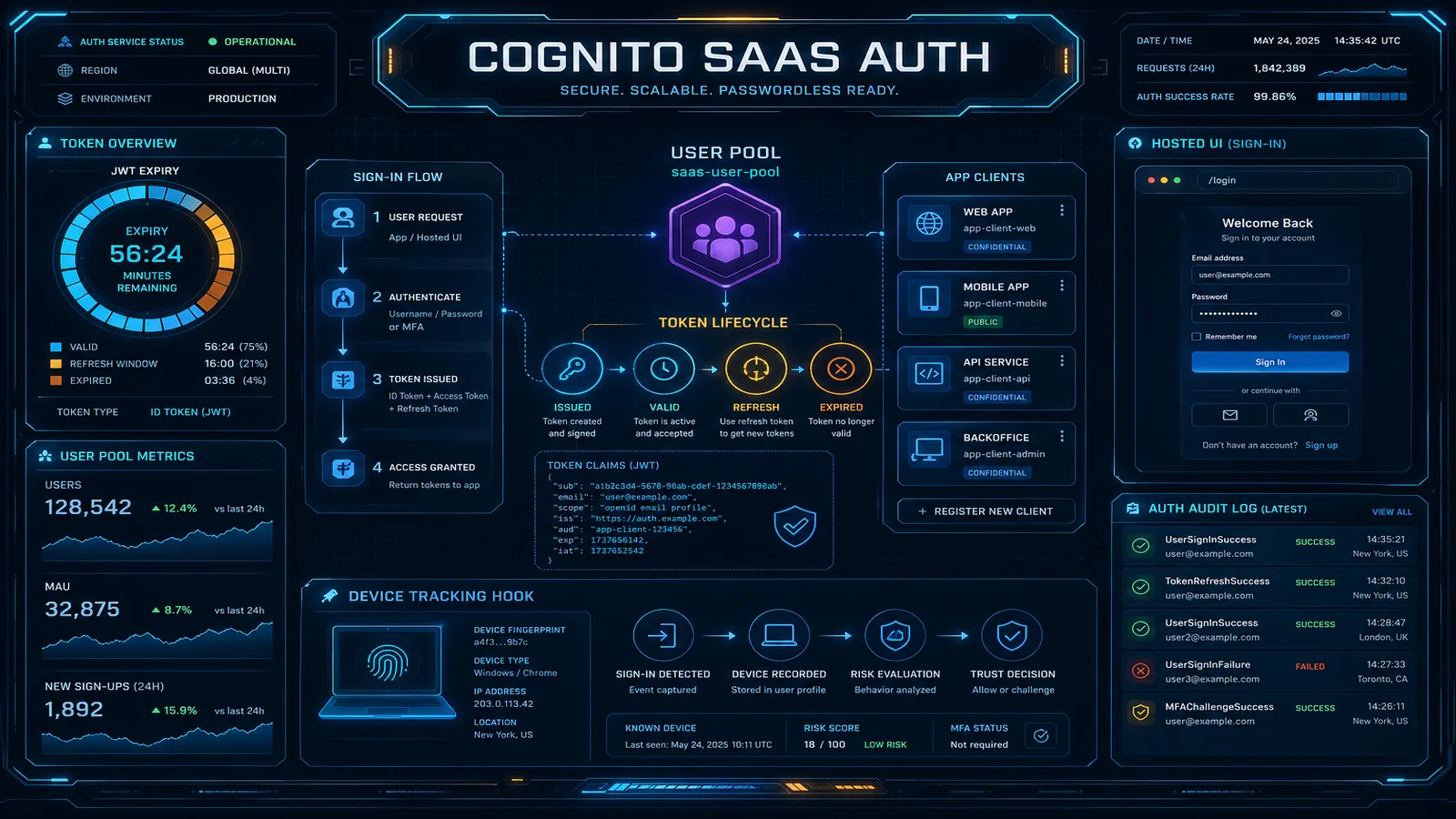
July 2026: Cognito user pools for SaaS — managed login vs classic hosted UI, pool vs silo tenancy, federation limits, and a checklist before you outgrow Cognito into Auth0/Okta.

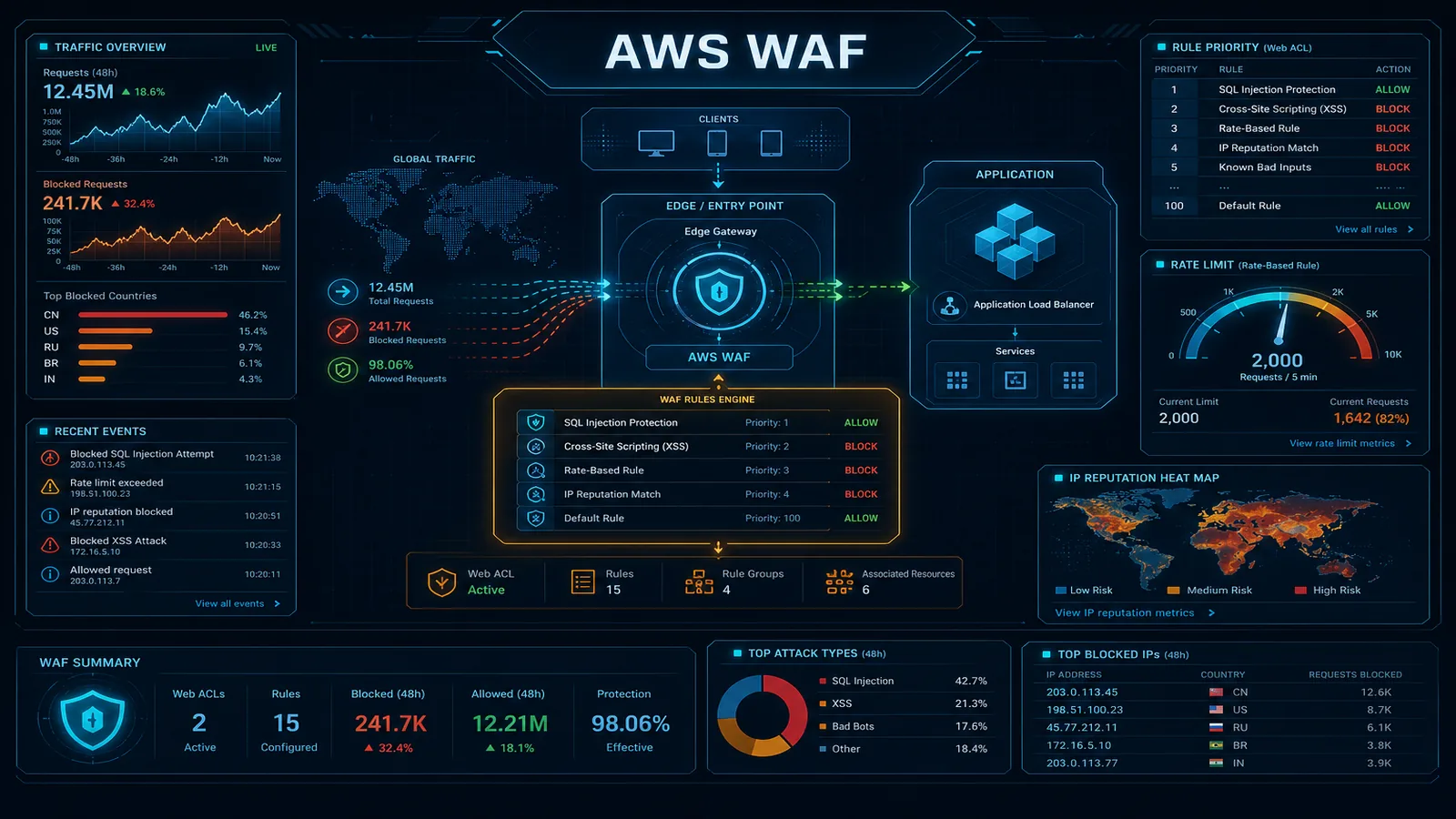
AWS WAF blocks attacks. It also blocks legitimate users when the rules are wrong — and that's a worse incident. Managed rule groups, custom rules, rate limiting, bot control, and the layered defense strategy that protects without flooding your support queue.

Event-driven sounds elegant in design docs. Then a malformed event ships to a critical bus and you spend a weekend debugging fan-out. EventBridge buses, rules, schema discovery, cross-account patterns, and the failure modes you only learn about in production.

QuickSight isn't a Looker or Tableau replacement — but for analytics bolted onto the AWS data plane, it's the path that doesn't require a new vendor contract. Data sources, SPICE performance, embedded analytics, row-level security, and dashboards that survive scale.

S3 misconfigurations are still the leading cause of headline data breaches. Bucket policies, encryption, access logging, Block Public Access, and the practices that keep "developer left the bucket public" from being your incident.

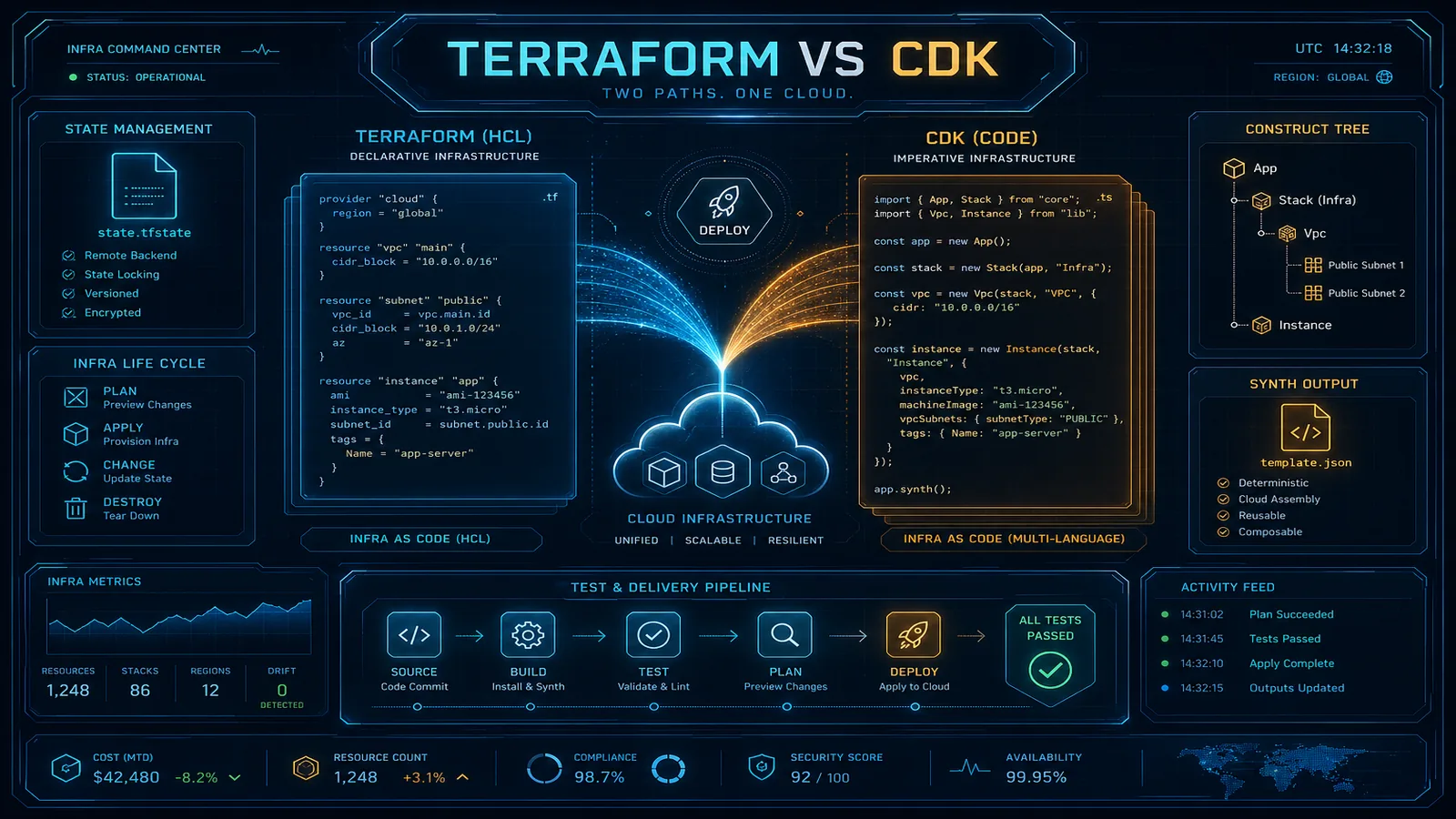
Terraform is the multi-cloud default. CDK ships AWS features the day they GA. Language support, state management, multi-cloud flexibility, and the trade-off that determines which IaC tool fits your team — plus when running both is the right answer.

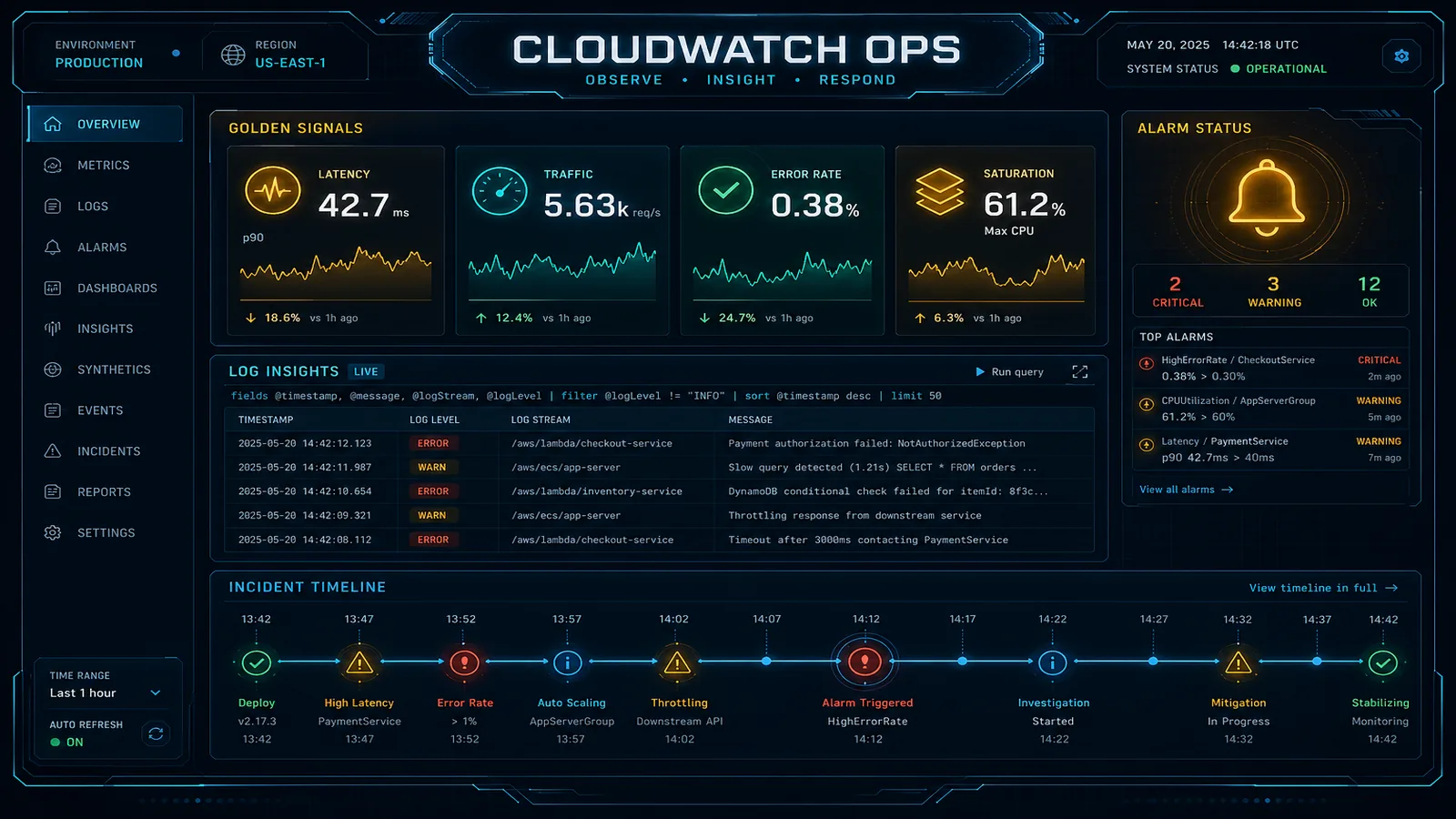
CloudWatch is the most underused service on every AWS bill — and the most overspent on the ones that take it seriously. Logs, metrics, and alarm patterns that catch real outages without burying you in noise (or in the bill).

Fintech on AWS isn't about more services — it's about which services you're allowed to use, how you isolate customer funds, and how fast your audit trail responds. Architecture patterns for payments, fraud detection, regulatory compliance, and the AWS primitives that power modern financial platforms.