palaniappan p11 min
S3 Is Not Cheap — Your Usage Is Expensive
S3 storage is still cheap in July 2026. Request storms, unmanaged versioning, CRR, Express One Zone, and S3 Tables compaction choices are what blow the bill — not GB-month alone.

Tagged
S3 storage is still cheap in July 2026. Request storms, unmanaged versioning, CRR, Express One Zone, and S3 Tables compaction choices are what blow the bill — not GB-month alone.
The worst AWS bills still come from small systems with invisible failure modes. July 2026 refresh — SQS/Lambda retry storms, zombie resources, public AI endpoints, and Bedrock/AgentCore spend loops — plus the detection radar.
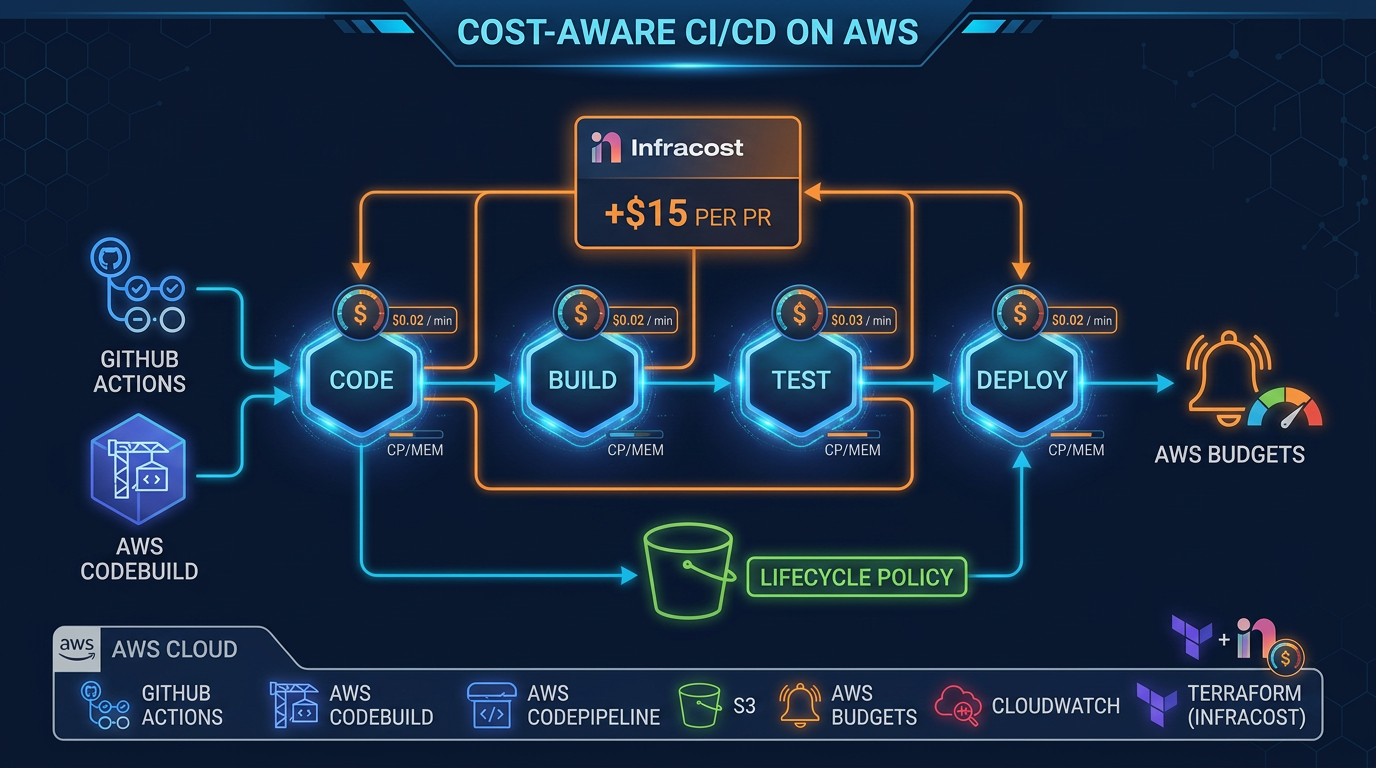
CI/CD infrastructure is invisible until your DevOps bill hits $15,000/month. Build minutes, artifact storage, and ephemeral environments accumulate costs that few teams track. Here is how to measure and control them.
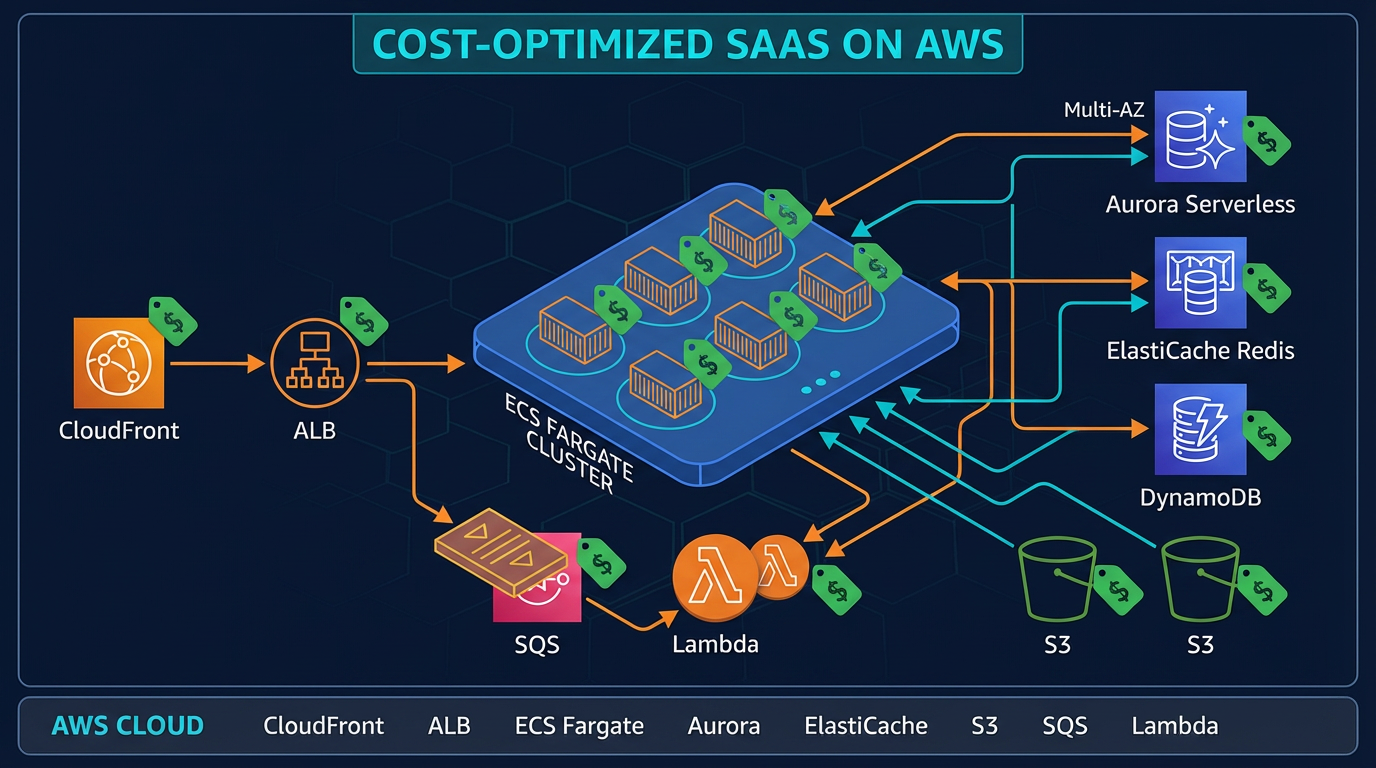
A B2B SaaS stack that costs $500/month at launch does not need to cost $50,000/month at 100,000 users if the architecture decisions at each stage are deliberate. This is the end-to-end reference architecture with real cost numbers.
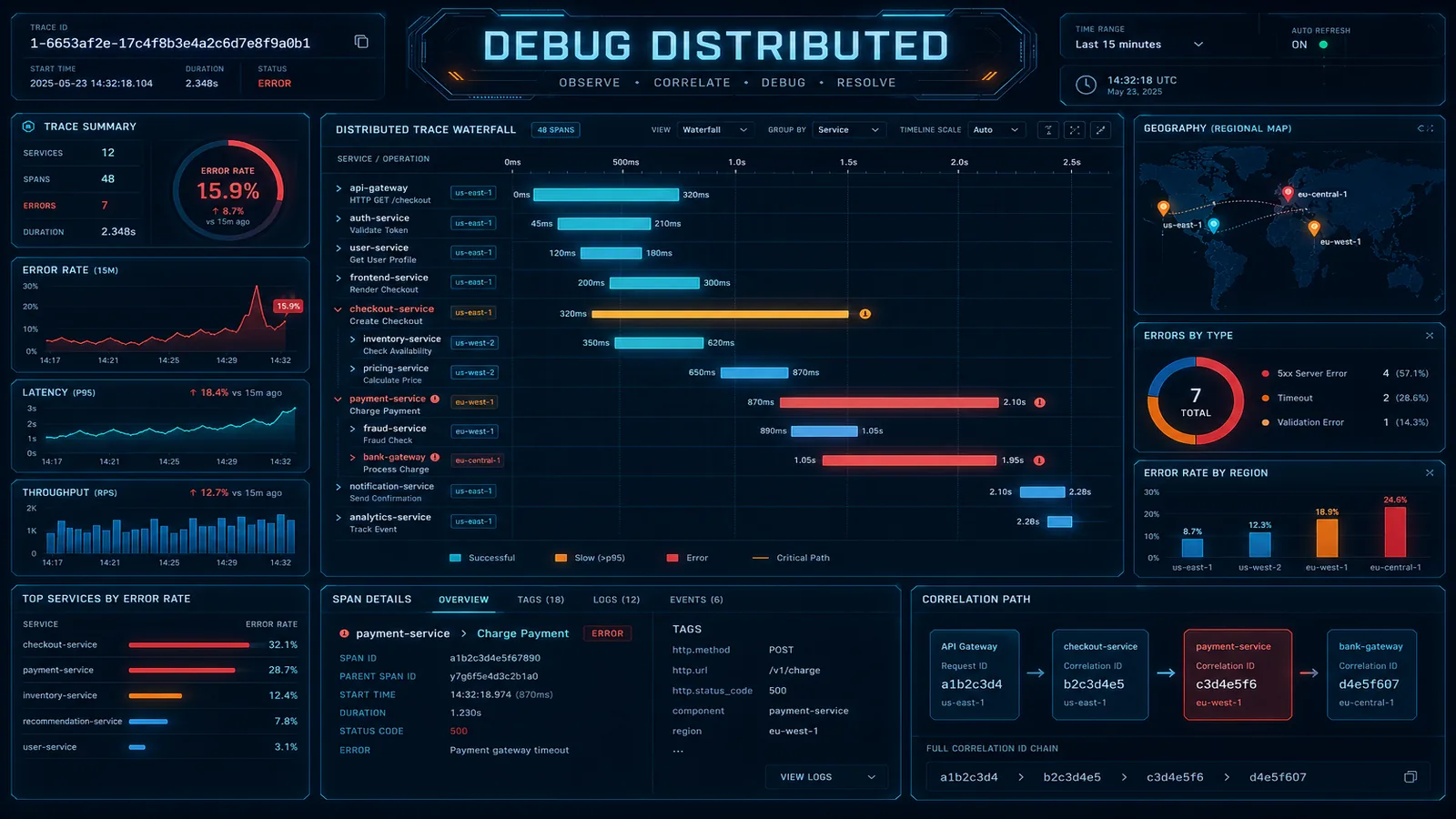
A 500ms latency spike in a distributed system could be a slow RDS query, a Lambda cold start, a downstream API timeout, or a CloudWatch Logs ingestion delay. Finding the cause requires correlated logs, traces, and metrics — not grep.
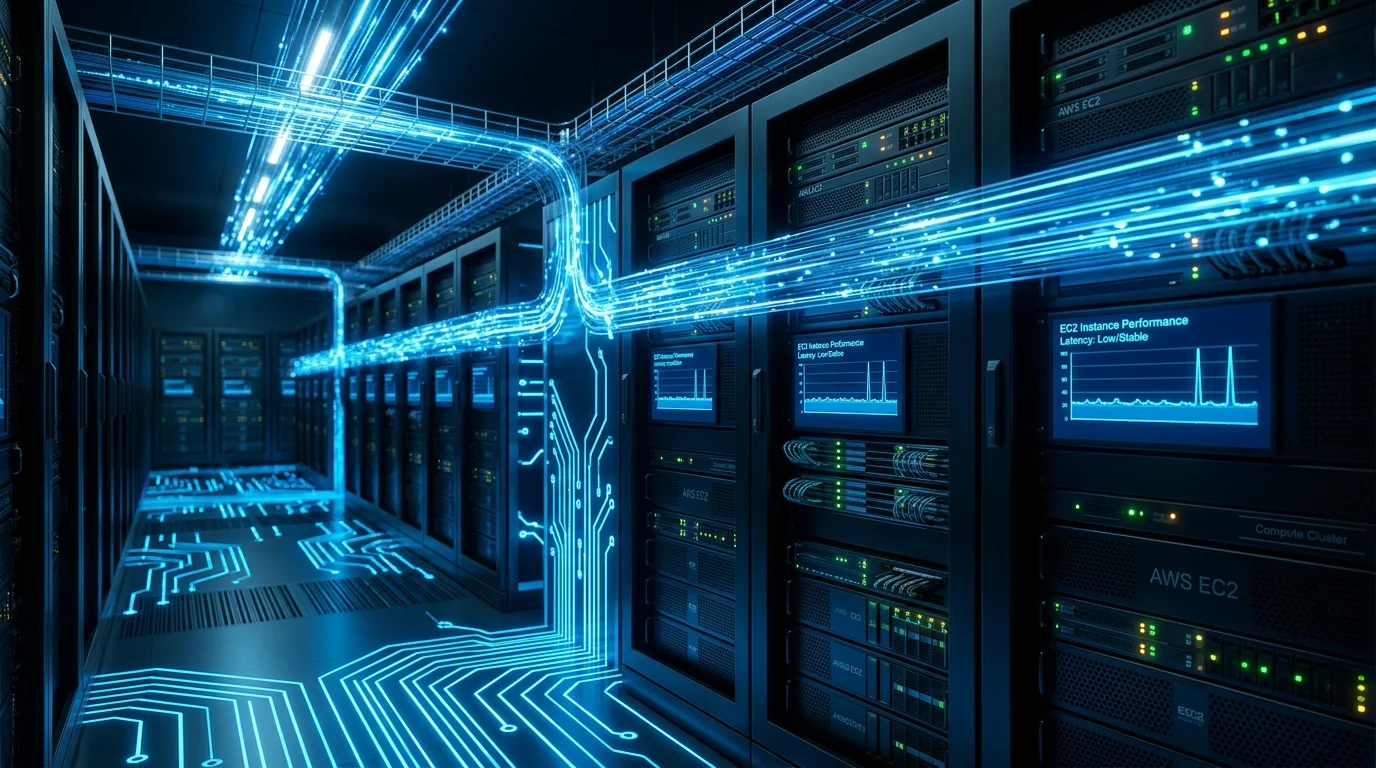
A technical deep dive into EC2 performance optimization for API workloads — covering instance family selection, Graviton vs x86 economics, network tuning, EBS configuration, and Linux kernel parameters that directly impact throughput and tail latency.
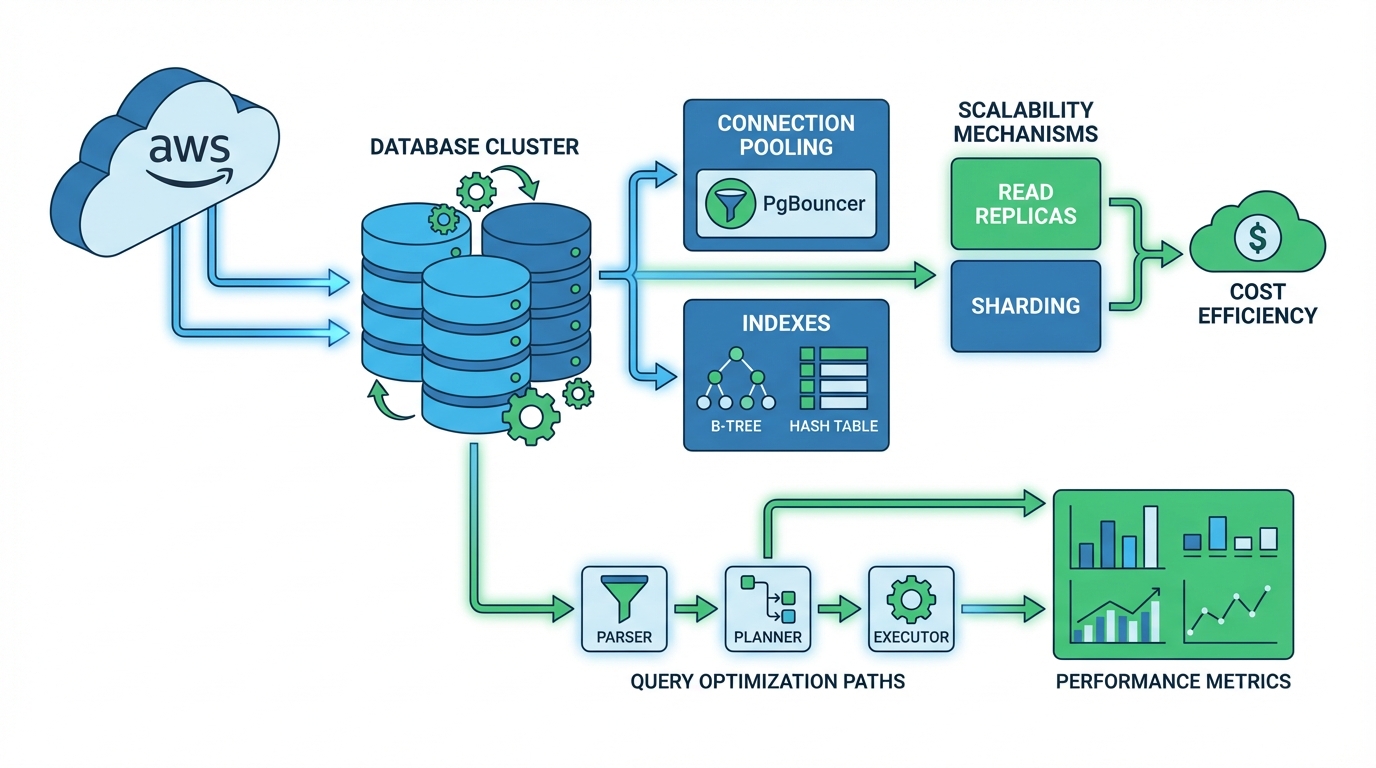
RDS, Aurora, and self-managed Postgres each have a cost breakeven point. This guide covers total cost of ownership, connection pooling with PgBouncer, indexing strategies, and the edge cases that turn Postgres into a billing surprise.
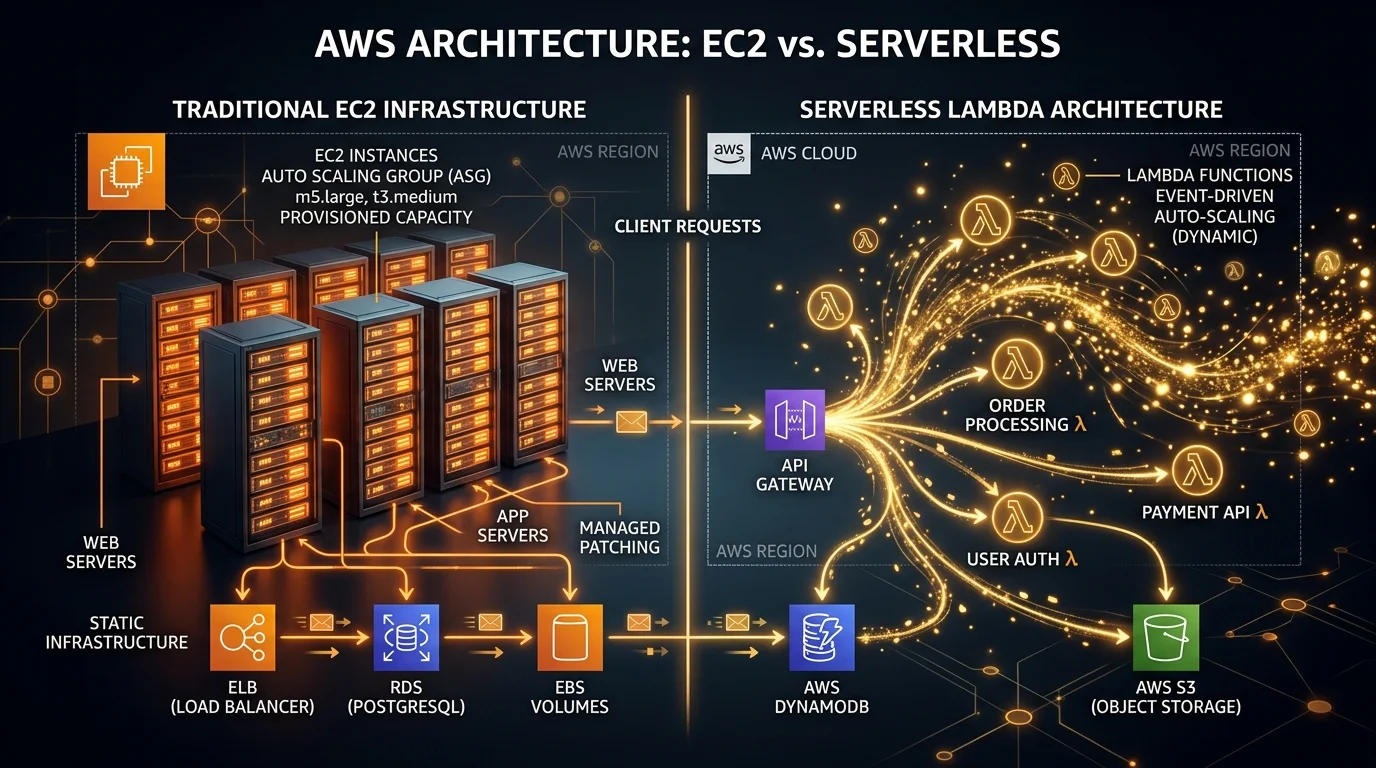
A technical guide to hybrid compute architectures that combine EC2, Lambda, Fargate, and Step Functions — with worked cost calculations, SQS buffering patterns, and decision frameworks based on invocation pattern rather than unit cost.
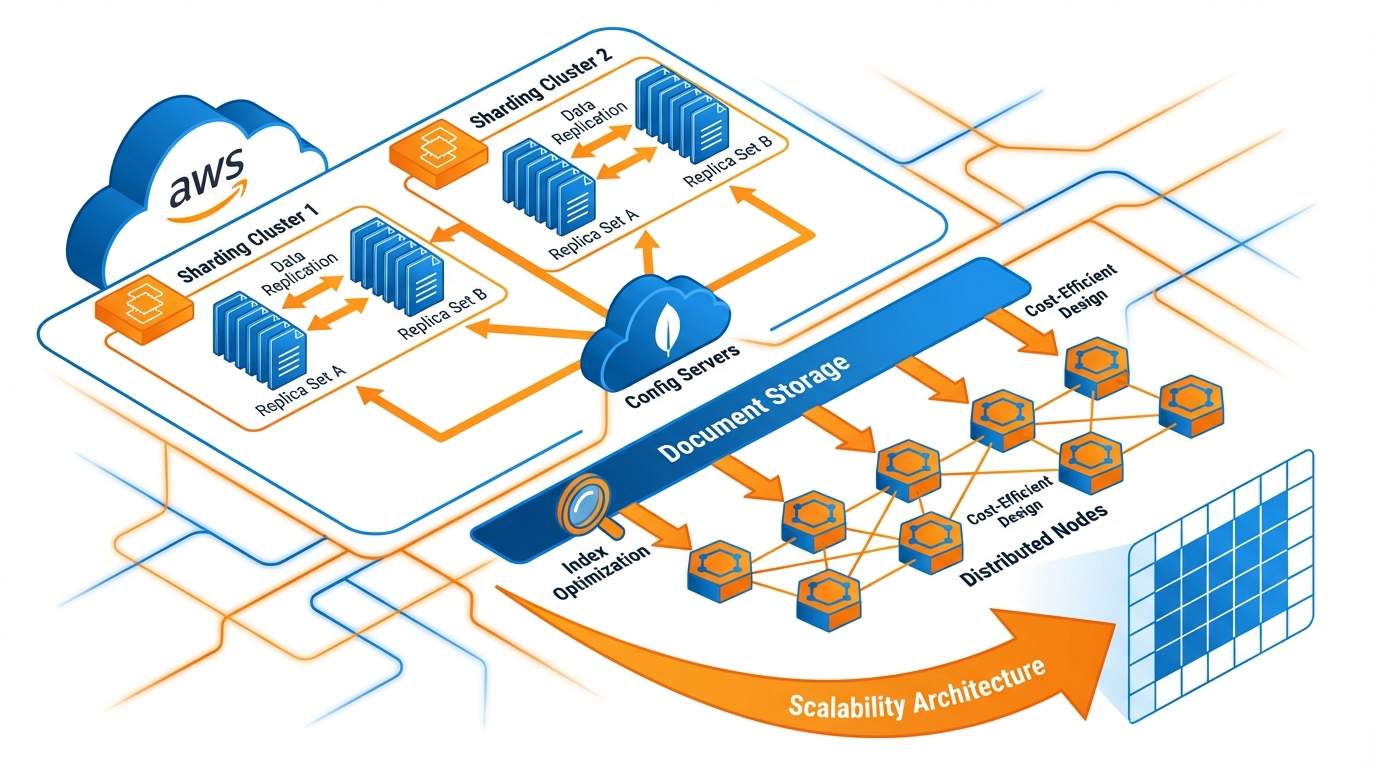
Atlas vs EC2 vs DocumentDB on AWS — TCO flips with DBA time, not $/vCPU. July 2026: index/cache pressure, hot shards, DocumentDB API-compat caveat.
Multi-region AWS architectures can easily cost 2–3× a single-region equivalent when data replication, cross-region transfer, and duplicated managed services are not accounted for. Here is how to architect for resilience without proportional cost growth.
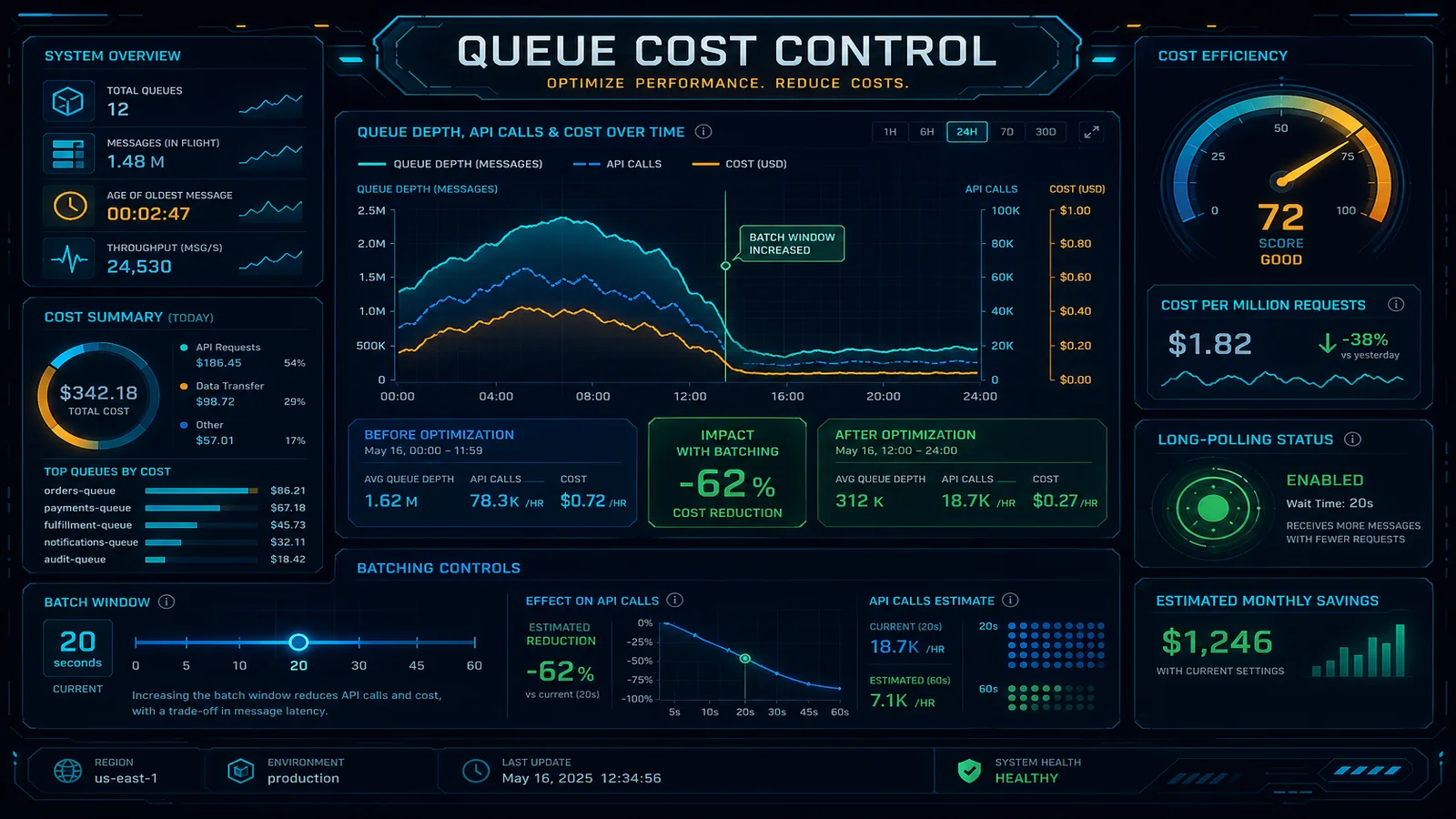
SQS is cheap until retry storms: short polling × uncapped workers. July 2026 — long poll 20s, visibility math, DLQ alarms, concurrency caps.
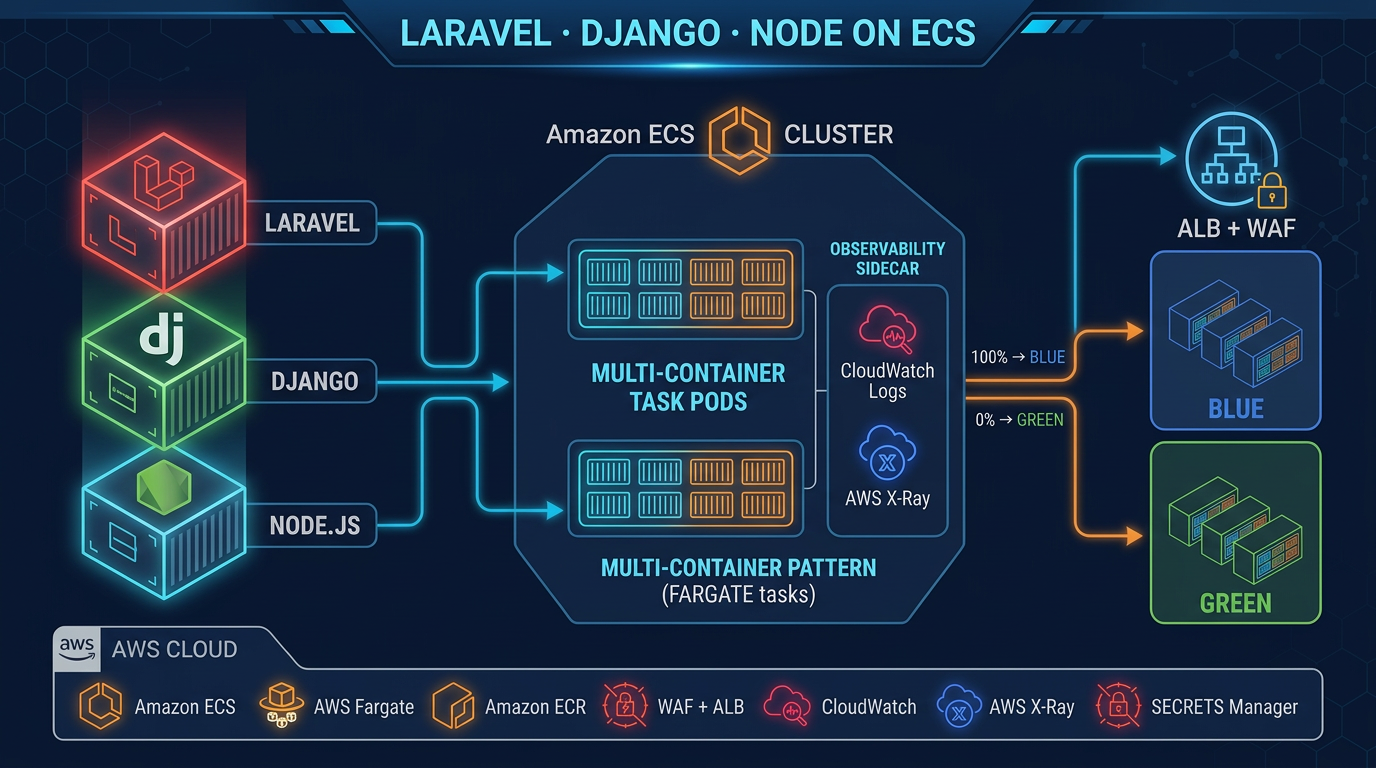
A deep technical guide to running PHP, Python, and Node.js applications on Amazon ECS in production — covering Fargate vs EC2, FrankenPHP vs Nginx+FPM, multi-container task patterns, zero-downtime deployments, and observability.